- Adresa: Ambassador 2, Rr: "Dervish Hima", Ish TV KLAN
- 044334433

Celebrity gamblers How their high-stakes bets redefine the thrill of risk
The Allure of High-Stakes Gambling
High-stakes gambling has captivated the attention of both the rich and famous, as they engage in activities that not only test their luck but also their psychological resilience. The thrill of placing enormous bets draws celebrities into casinos and private poker rooms where fortunes can change hands in an instant. Each wager represents a mix of strategy, chance, and the intoxicating allure of potentially monumental payouts, illustrating how this world is as much about personal risk as it is about financial gain. For those intrigued, the chicken road 2 game offers a glimpse into similar thrilling experiences.
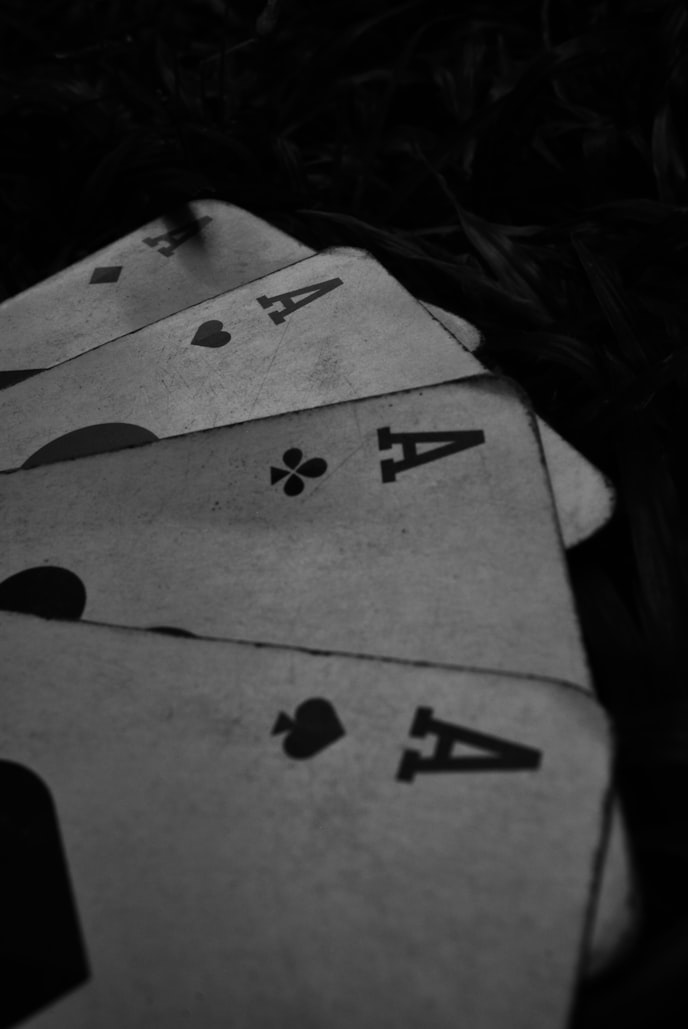
For celebrities, the stakes are not just monetary; they come with an added layer of public scrutiny. High-profile figures such as Ben Affleck and Michael Jordan have been known to engage in intense gambling sessions, and their experiences offer a unique insight into how fame influences their approach to risk. This environment fosters an adrenaline rush that is difficult to replicate, making high-stakes gambling a sought-after escape for many in the limelight.
The psychological dynamics at play in high-stakes gambling can be profound. The pressure to win can lead to heightened states of arousal, with some celebrities viewing gambling as both a game of chance and a test of skill. This thrilling environment can result in significant wins or devastating losses, with emotional responses often magnified due to their public personas. It raises questions about the nature of risk and the lengths to which individuals will go to chase that elusive thrill.
Celebrity Influences on Gambling Culture
When celebrities participate in high-stakes gambling, they often act as trendsetters, influencing public perception and behavior around gambling. Their involvement can normalize the activity, leading fans and followers to view it as a glamorous and exciting pastime. This social phenomenon is evident in films, reality shows, and even social media, where stars often showcase their gambling experiences, from lavish casino nights to private games.
For example, the depiction of poker in movies like “Rounders” has made the game synonymous with intelligence and high-stakes drama. Celebrities often leverage this narrative to enhance their public image, suggesting that engaging in high-stakes gambling reflects sophistication and an adventurous spirit. This not only glamorizes the activity but also draws more people into exploring the world of gambling, potentially leading them to try their luck at local casinos or online platforms.
Furthermore, celebrity endorsements in gambling have become a lucrative marketing strategy. Brands frequently partner with well-known figures to promote their casinos or gaming apps, reaching audiences who aspire to emulate their favorite stars. This symbiotic relationship not only boosts business for gambling companies but also fosters a cultural acceptance of gambling as a form of entertainment, thereby redefining the thrill associated with risk-taking in society.
The Psychological Effects of Gambling
The psychological effects of gambling can be complex, particularly for celebrities who often face unique pressures. For many, gambling serves as an outlet for stress relief, a way to escape the pressures of fame and constant public scrutiny. The thrill of betting large sums can provide a temporary high, activating the brain’s reward system, and producing feelings of excitement and euphoria. However, this can lead to a precarious cycle of addiction.
Research indicates that high-stakes gamblers may exhibit different psychological behaviors compared to recreational players. The intensity of large bets can amplify feelings of anxiety and elation, leading to emotional highs and lows. For celebrities, who may already experience heightened emotional states due to their lifestyle, the combination of fame and gambling can result in extreme psychological challenges that affect not only their gambling habits but their overall mental health.
The phenomenon of chasing losses is particularly pronounced among those who gamble at high levels. Celebrities might feel compelled to recover losses quickly, leading them to place even larger bets in hopes of turning their fortunes around. This psychological trap can be detrimental, impacting relationships, personal well-being, and financial stability. It’s crucial to understand these dynamics when discussing the intersection of celebrity culture and high-stakes gambling.
Risk and Reward: A Balancing Act
The thrill of gambling lies in the delicate balance between risk and reward, a concept that resonates deeply within celebrity circles. Many high-profile gamblers are not only aware of this balance but also embrace it as part of their identity. The narrative of the “big win” fuels their passion for gambling, turning each session into a high-stakes adventure. The excitement of winning is amplified by the knowledge that losses could be just a bet away, making the whole experience exhilarating.
This balancing act becomes even more complicated when significant financial resources are involved. Celebrities often have access to wealth that allows them to take risks that would be unfathomable for the average person. This can lead to both a perception of invincibility and a perilous lack of caution. The drama surrounding massive bets often captures public attention, showcasing the highs and lows of gambling while stirring discussions about responsible gaming.
Moreover, the outcomes of these high-stakes sessions can have broader implications, affecting everything from public opinion about gambling to the gambling habits of their fans. As celebrities openly navigate this complex landscape of risk, they inadvertently become symbols of the potential dangers and rewards of gambling, illustrating just how thin the line can be between triumph and tragedy.
Understanding Celebrity Gamblers and Their Impact
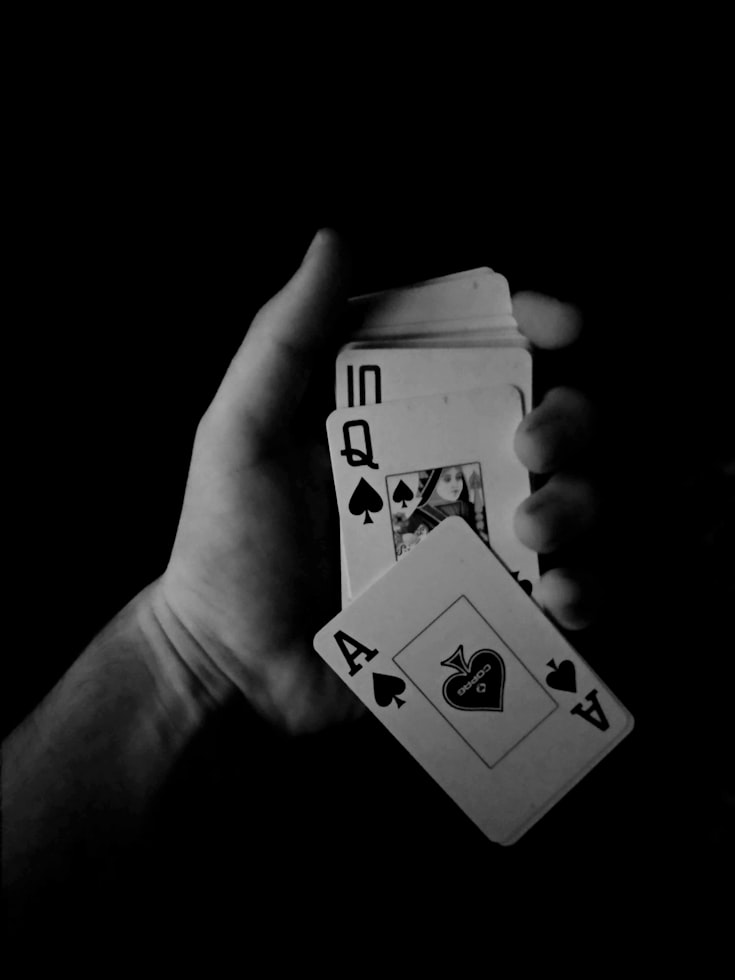
As we explore the phenomenon of celebrity gamblers, it is essential to appreciate their unique influence on the gambling landscape. These individuals often embody the complexities of risk, showcasing both the exhilarating highs and the dire lows that can accompany such choices. By examining their experiences, we can gain valuable insights into the psychological effects of gambling, as well as its broader cultural implications.
Understanding the motivations behind their gambling habits can help demystify the allure of high-stakes betting. Whether seeking a thrill, stress relief, or an avenue for social connection, celebrities often serve as mirrors reflecting societal attitudes toward gambling. Their stories can educate audiences about responsible gaming and the importance of recognizing the psychological factors that accompany high-stakes betting.
Ultimately, as gambling becomes increasingly integrated into entertainment culture, recognizing the nuances surrounding celebrity gamblers allows for a more informed discussion about risk, reward, and responsibility. The stories of these high-profile figures serve as both cautionary tales and sources of inspiration, reminding us that while the thrill of risk can be exhilarating, it is crucial to approach gambling with awareness and care.
